
The 2028 Democratic presidential primary is already attracting attention as voters, political analysts, and potential candidates consider who could lead the Democratic Party in the next presidential election. Former Vice President Kamala Harris is one of the most prominent names in the discussion. Her experience in national politics, her 2024 presidential campaign, and her continuing support among parts of the Democratic electorate have kept her in conversations about the party’s future.
Harris is not the only Democrat being discussed as a potential presidential candidate. California Governor Gavin Newsom, former Transportation Secretary Pete Buttigieg, Representative Alexandria Ocasio-Cortez, and Senator Jon Ossoff are also among the figures appearing in early polling and political coverage. These potential candidates have different political backgrounds, policy priorities, and levels of national recognition. The field could change considerably before voting begins.
Polling published in October 2026 places Harris near the top of hypothetical Democratic primary surveys. A RealClearPolling average updated through October 6 showed her at approximately 26.4%, compared with 14.4% for Newsom, 12.6% for Buttigieg, 10.6% for Ocasio-Cortez, and 8.9% for Ossoff. These figures measure current preferences in hypothetical matchups, not actual primary election results. They also do not establish who will ultimately win the nomination.
Who Are the 2028 Democratic Primary Frontrunners?
The phrase 2028 Democratic primary frontrunners refers to politicians who receive significant attention or support in early surveys about the Democratic presidential nomination. At this stage, it is more accurate to discuss potential contenders and polling figures than to treat the field as settled.
Kamala Harris is a central figure in the discussion because she served as vice president and became the Democratic presidential nominee in 2024. Other names appear in surveys because of their state leadership, congressional experience, national visibility, or connections with different groups within the Democratic Party.
The early field may change as politicians make decisions about running, donors consider their options, and voters respond to political developments. Polls conducted now provide a snapshot of opinion rather than a prediction of the final result.
Is Kamala Harris a Frontrunner for the 2028 Democratic Primary?
Kamala Harris has received substantial support in early hypothetical Democratic primary polling. A RealClearPolling average covering surveys through October 6, 2026, placed her at 26.4%, ahead of several other politicians tested in the same surveys.
The result indicates that Harris remains a significant figure in discussions about the next Democratic presidential nomination. Her previous service as vice president and her experience as the party’s 2024 nominee give her a level of national recognition that many potential competitors do not yet have.
However, being ahead in early polling does not guarantee a nomination. The primary campaign is still in its early stages, and voter preferences could change as candidates clarify their plans, policy positions, and reasons for seeking office.
Source: RealClearPolling — 2028 Democratic Presidential Nomination.
Latest 2028 Democratic Primary Polling
Early national surveys provide a useful way to understand how Democratic voters currently view possible candidates. The following figures come from RealClearPolling’s average of surveys conducted between July 19 and October 6, 2026.
| Potential candidate | Polling average |
| Kamala Harris | 26.4% |
| Gavin Newsom | 14.4% |
| Pete Buttigieg | 12.6% |
| Alexandria Ocasio-Cortez | 10.6% |
| Jon Ossoff | 8.9% |
| Mark Kelly | 6.5% |
| Josh Shapiro | 5.6% |
| Andy Beshear | 4.0% |
| JB Pritzker | 3.2% |
| Gretchen Whitmer | 2.5% |
| Ro Khanna | 0.7% |
Important: These are figures from an average of hypothetical primary polls, not votes cast in an official election. The candidates may not all enter the race, and different polls can produce different results. The average also reflects the surveys included during its stated period.
Source: RealClearPolling national primary polling.
Has Kamala Harris Announced a 2028 Presidential Campaign?
As of October 13, 2026, Harris remains part of the public discussion about the 2028 Democratic nomination, but her appearance in polls should not be confused with an official campaign announcement.
Political reporting has examined her public appearances, book-related events, conversations with Democratic voters, and relationships with party leaders. These activities can increase attention around a possible candidacy without confirming that a candidate has decided to run.
A formal announcement, campaign organization, fundraising operation, and filings with the relevant election authorities would provide clearer evidence of an official campaign. Readers should check current statements from Harris and official election records for updates.
Why Is Kamala Harris Being Discussed for 2028?
Harris has several factors that keep her in the conversation about the next Democratic presidential primary.
First, she has extensive experience in national government. She served as a U.S. senator from California, attorney general of California, and vice president of the United States. She also became the Democratic presidential nominee in 2024 after President Joe Biden ended his reelection campaign.
Second, her name is familiar to Democratic voters across the country. Early primary polling often reflects name recognition as well as voters’ assessments of a candidate’s policies, leadership, and ability to represent the party.
Third, Harris continues to have supporters within the Democratic Party, including voters who value her historic role in national politics. At the same time, other Democrats and party strategists have debated whether the party should choose a different candidate for 2028.
These factors help explain why Harris remains prominent in early polling, but they do not establish what she will decide or how voters will ultimately respond.
How Does Kamala Harris Compare With Gavin Newsom?

Gavin Newsom, California’s Democratic governor, is another frequently discussed potential candidate for 2028. His public profile has grown through state leadership, national political appearances, and disagreements with President Donald Trump’s administration.
In the RealClearPolling average through October 6, Newsom received 14.4%, compared with Harris’s 26.4%. These figures describe responses in the included hypothetical primary surveys; they are not a direct measure of how the two would perform after officially entering a campaign.
Harris and Newsom have different political records and public identities. Harris has experience in federal legislative and executive office, while Newsom’s record is closely tied to governing California. Their positions on healthcare, immigration, climate policy, and other issues would likely be examined closely if both entered the race.
Newsom has not confirmed a presidential bid in the reporting cited here. His eventual decision could affect how the field develops.
Pete Buttigieg’s Position in the 2028 Democratic Field
Pete Buttigieg is another name appearing in early Democratic primary polling. He served as mayor of South Bend, Indiana, and as U.S. secretary of transportation under President Joe Biden. He also ran for the Democratic presidential nomination in 2020.
The RealClearPolling average through October 6 placed Buttigieg at 12.6%. His experience in local government, the Biden administration, and a previous presidential primary gives him a national political profile.
Buttigieg’s potential candidacy could attract attention from voters interested in generational change, transportation and infrastructure policy, and his approach to national political issues. Whether he runs in 2028 remains a separate question from his current polling support.
Could Alexandria Ocasio-Cortez Run for President in 2028?
Representative Alexandria Ocasio-Cortez of New York is another potential contender discussed in coverage of the Democratic Party’s future. She is known for progressive policy positions and her work on issues such as healthcare, economic inequality, climate change, and labor rights.
In the RealClearPolling average through October 6, Ocasio-Cortez received 10.6% in hypothetical Democratic primary surveys. That figure indicates that she is included in the early national conversation, but it does not confirm that she intends to seek the nomination.
A possible presidential campaign would raise questions about her policy agenda, national coalition, fundraising, and relationship with different parts of the Democratic Party. Those questions would become clearer if she announced a bid.
Jon Ossoff and Other Potential Democratic Candidates
Senator Jon Ossoff of Georgia has also appeared in early polling about the 2028 Democratic nomination. Ossoff won a closely watched Senate election in Georgia and has become a recognizable figure in national Democratic politics.
The RealClearPolling average through October 6 placed Ossoff at 8.9%. Other names included in the same average were Senator Mark Kelly of Arizona, Pennsylvania Governor Josh Shapiro, Kentucky Governor Andy Beshear, Illinois Governor JB Pritzker, Michigan Governor Gretchen Whitmer, and Representative Ro Khanna.
Their presence in polling does not mean each has decided to run. Potential candidates may choose to pursue reelection to their current offices, support another contender, or consider a presidential campaign later.
What Do Early Polls Tell Us About Harris?
Early polling offers information about how voters respond to possible candidates at a particular moment. In Harris’s case, the October 2026 polling average shows that she remains a prominent option among the names tested.
However, early surveys have limitations. Some respondents may not be familiar with every potential candidate, and many voters may not have seriously considered the 2028 election yet. Survey wording, the candidates included, sample composition, and the dates of fieldwork can also affect results.
Polling should therefore be read alongside other information, including official announcements, public statements, fundraising, campaign organization, and changes in voters’ priorities. No single early poll can establish the eventual Democratic nominee.
What Challenges Could Kamala Harris Face in 2028?

Harris’s potential candidacy would be shaped by several political questions.
The 2024 Election
Harris was the Democratic nominee in 2024 and lost the general election to Donald Trump. A future campaign would likely involve discussion of that result, the party’s strategy, and what changes voters might want to see.
Democratic Party Divisions
Democrats differ on economic policy, healthcare, immigration, foreign affairs, and the party’s overall direction. A primary campaign would require candidates to address these differences and build support among voters with varying priorities.
Competition From Other Candidates
A broad field could include governors, senators, members of Congress, and former administration officials. Each would bring a different record, message, and potential coalition of supporters.
Voter Priorities
The issues that matter most to voters can change between election cycles. The economy, healthcare costs, housing, immigration, climate change, and democratic institutions could all play a role in the debate, depending on events and campaign platforms.
These are possible challenges facing a potential candidate, not evidence that a particular outcome is inevitable.
What Issues Could Shape the 2028 Democratic Primary?
The next Democratic primary is likely to involve debates about both policy and leadership. Several issues are already important in national politics.
- The economy: Wages, inflation, employment, taxes, and household expenses.
- Healthcare: Insurance coverage, prescription drug costs, and access to medical services.
- Immigration: Border management, asylum policy, enforcement, and legal immigration pathways.
- Climate and energy: Emissions, clean energy, infrastructure, and energy costs.
- Education: School funding, college affordability, and student debt.
- Foreign policy: U.S. relationships with allies, military assistance, and international conflicts.
- Democratic institutions: Voting access, election administration, and the limits of executive power.
Potential candidates may emphasize different parts of this agenda. Their platforms and debate performances would help voters understand how they propose to address these issues.
When Will the 2028 Democratic Primaries Take Place?
The 2028 presidential election is scheduled for November 7, 2028. Before the general election, Democratic voters will participate in state primaries and caucuses to help determine the party’s nominee.
The exact primary calendar and the rules governing delegate selection are established through party processes and state election arrangements. The sequence of early contests can influence campaign strategy, media attention, and how candidates allocate their resources.
Readers should consult the Democratic National Committee and state election authorities for the official calendar as it becomes available. Dates and procedures should not be treated as final until confirmed by the relevant authorities.
How Does the Democratic Nomination Process Work?
The Democratic presidential nomination process involves state primaries and caucuses, where voters express their preferences among candidates. The results determine how delegates are allocated under the applicable party rules.
Candidates generally build campaigns by organizing supporters, raising money, communicating their platforms, and competing for votes in different states. Delegates then participate in the party’s national nominating convention, where the presidential nominee is formally selected under party rules.
A candidate who leads early national polling still needs to compete in the actual nomination process. Polling percentages and delegate counts are different measures and should not be treated as interchangeable.
How Can Readers Follow the 2028 Democratic Primary?
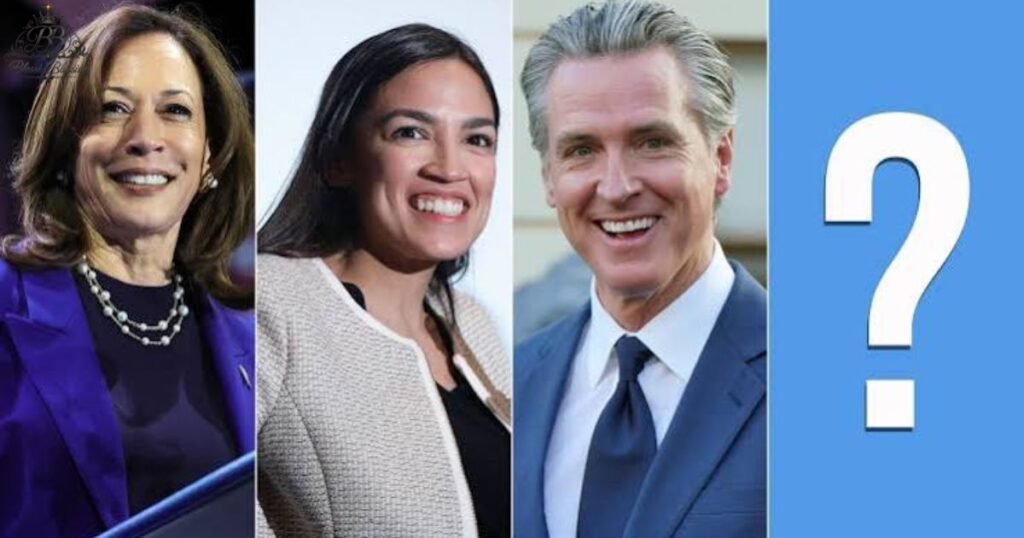
Readers can track the developing race through several kinds of sources.
- Official statements: Check candidate websites and verified public statements to confirm whether a campaign has been announced.
- Polling averages: Review the dates, methods, and candidate lists used by polling aggregators.
- Individual polls: Read the full survey results and methodology rather than relying only on headlines.
- Election authorities: Consult official party and state election websites for primary schedules and procedures.
- Established news organizations: Compare reporting from multiple outlets when a candidate announces a decision or a new poll is released.
Following these sources makes it easier to separate confirmed developments from speculation about who might enter the race.
Frequently Asked Questions About 2028 Democratic Primary Frontrunners Harris
Is Kamala Harris a frontrunner for the 2028 Democratic primary?
Harris is a prominent potential contender in early polling. A RealClearPolling average through October 6, 2026, placed her at 26.4% in hypothetical Democratic primary surveys.
Has Kamala Harris announced that she is running in 2028?
Her inclusion in polls does not mean she has officially announced a campaign. Check her latest public statements and official election filings for confirmation of any decision.
Who are the other potential Democratic candidates for 2028?
Names appearing in early polling include Gavin Newsom, Pete Buttigieg, Alexandria Ocasio-Cortez, Jon Ossoff, Mark Kelly, Josh Shapiro, Andy Beshear, and other Democratic politicians.
What does the latest polling say about Harris?
The RealClearPolling average covering July 19 through October 6, 2026, placed Harris at 26.4%. The figure represents hypothetical primary preferences and may change as new surveys are published.
Why is Harris still being discussed after the 2024 election?
Her previous role as vice president, her experience as the 2024 Democratic nominee, and her continuing visibility in the party keep her in discussions about potential candidates for 2028.
Could Gavin Newsom challenge Kamala Harris?
Newsom is among the politicians discussed as a possible candidate. Whether he enters the race and how voters respond to a campaign are not yet established.
Are the 2028 Democratic primary polls reliable?
Polls can provide a useful snapshot of opinion, but early surveys have limitations. Their results depend on methodology, timing, sample composition, and which candidates are included.
When is the 2028 U.S. presidential election?
The general election is scheduled for November 7, 2028. Democratic primaries and caucuses will take place beforehand, according to the official election and party calendar.
Does leading an early poll guarantee the nomination?
No. Early polling measures voter preferences at the time of a survey. The eventual nomination depends on the primary process, delegate allocation, candidates’ decisions, and voters’ choices.
Where can I find updated Democratic primary polling?
RealClearPolling provides a collection of national primary surveys and averages. Readers should also consult individual pollsters’ reports to review dates, methodology, and the full results.
Conclusion
The 2028 Democratic primary is still developing, and Kamala Harris remains a prominent name in early polling about the party’s presidential nomination. The RealClearPolling average through October 6, 2026, placed her at 26.4%, with Gavin Newsom, Pete Buttigieg, Alexandria Ocasio-Cortez, and Jon Ossoff also receiving support in hypothetical surveys.
These figures describe the current state of polling rather than a confirmed election outcome. Harris’s future plans, the decisions of other potential candidates, and voters’ changing priorities will help shape the field as the election approaches.
For readers following the 2028 Democratic primary frontrunners Harris topic, the most useful approach is to monitor new surveys, check whether potential candidates make official announcements, and distinguish polling data from predictions. The Democratic nomination process will ultimately depend on voters and the party’s established rules.

