
LSU football is the football program of Louisiana State University, located in Baton Rouge, Louisiana. The Tigers compete in the Southeastern Conference (SEC), one of the most competitive conferences in college football. The program is known for its passionate fan base, strong recruiting tradition, iconic stadium atmosphere, and history of producing championship teams and NFL players.
LSU football is one of college football’s most respected programs, known for its championship history, legendary players, passionate fan base, and strong SEC competition. From historic teams and iconic coaches to NFL stars and unforgettable seasons, the LSU Tigers continue to be a major force in college football.
Detailed Outline Table
| Level | Heading | Purpose | Target Question or Intent |
| H1 | LSU Football: History, Championships, Players, and Program Guide | Main overview | What is LSU football? |
| H2 | LSU Football Overview | Explain program basics | Who are the LSU Tigers? |
| H2 | History of LSU Football | Cover historical development | How did LSU football begin? |
| H2 | Championships and Achievements | Explain success record | Has LSU won national championships? |
| H2 | Tiger Stadium and Fan Culture | Describe traditions | Why is LSU stadium famous? |
| H2 | Famous Players | Highlight notable athletes | Which players came from LSU? |
| H2 | Legendary Coaches | Explain leadership eras | Who coached LSU football? |
| H2 | Rivalries | Cover major matchups | Who are LSU’s rivals? |
| H2 | Recruiting and Future Outlook | Discuss program direction | How does LSU build teams? |
| H2 | FAQs | Answer common questions | LSU football questions |
LSU Football Overview
LSU football represents Louisiana State University’s athletic program in American college football. The team is officially known as the LSU Tigers and plays home games at Tiger Stadium in Baton Rouge.
The program has become one of the most recognized names in college football because of:
- A long SEC history
- Strong in-state recruiting connections
- A large and dedicated fan community
- Successful championship runs
- A tradition of developing professional players
LSU’s football identity is closely connected with Louisiana culture. Game days in Baton Rouge are known for large crowds, traditional tailgating, and one of the most energetic environments in college sports.
History of LSU Football
LSU began playing football in the late 19th century and has grown into a major college football program. Over many decades, the Tigers have experienced different eras of success under various coaches and players.
The program’s history includes:
- Early development as a regional college team
- Growth through conference competition
- Expansion of recruiting efforts
- National championship periods
- Increased national visibility through SEC competition
LSU joined the SEC when the conference was created in 1932 and has remained part of the league throughout its history.
The Tigers have competed against many of the strongest programs in college football, including other SEC teams that regularly compete for conference and national titles.
LSU Football Championships and Achievements
LSU has won multiple recognized national championships in college football history. The program’s championship seasons include:
- 1958
- 2003
- 2007
- 2019
The 2019 LSU Tigers season is often remembered as one of the most successful seasons in modern college football. The team finished undefeated and won the national championship under head coach Ed Orgeron, led by quarterback Joe Burrow and a talented roster that included several future NFL players.
LSU has also won multiple SEC championships and has regularly appeared in major bowl games.
The program’s success has helped establish LSU as one of the most prominent SEC football brands.
Tiger Stadium: The Home of LSU Football
Tiger Stadium is LSU’s home football venue in Baton Rouge, Louisiana. It is widely recognized as one of the most famous stadiums in college football.
The stadium is known for:
- Large crowds
- Loud game-day atmosphere
- Night games with intense fan energy
- Historic SEC matchups
LSU fans often refer to Tiger Stadium as “Death Valley,” a nickname shared by some other football venues. The name reflects the difficult environment visiting teams experience during games.
Game days at LSU include traditions such as tailgating, marching band performances, and gatherings that bring together students, alumni, and fans.
The combination of stadium history and fan culture has made LSU football a major part of Louisiana sports identity.
Famous LSU Football Players

LSU football has produced many successful players who went on to professional football careers. The program’s reputation for developing elite talent has made Baton Rouge a destination for top high school recruits.
Some notable LSU football players include:
Joe Burrow
Joe Burrow became one of the most celebrated players in LSU history during the 2019 season. He led the Tigers to a national championship and won the Heisman Trophy, an award given annually to the most outstanding player in college football.
His LSU season included:
- An undefeated championship run
- Record-setting passing performances
- A highly successful offense
- Recognition as one of the greatest single seasons by a college quarterback
After LSU, Burrow entered the NFL and became the quarterback of the Cincinnati Bengals.
Ja’Marr Chase
Ja’Marr Chase was one of LSU’s top offensive players during the 2019 championship season. He became known for:
- Strong route running
- Big-play ability
- Physical receiving style
He later joined Burrow in Cincinnati, creating a connection between two former LSU stars.
Justin Jefferson
Justin Jefferson developed into one of LSU’s most productive receivers during the 2019 season. His college success helped establish him as a top NFL receiving talent.
He later played for the Minnesota Vikings.
Patrick Peterson
Patrick Peterson was a standout defensive player for LSU. Known for his athletic ability and coverage skills, he became a first-round NFL draft selection.
Tyrann Mathieu
Known as “The Honey Badger,” Tyrann Mathieu became one of LSU’s most recognizable defensive players. His aggressive style and playmaking ability made him a fan favorite.
Legendary LSU Football Coaches
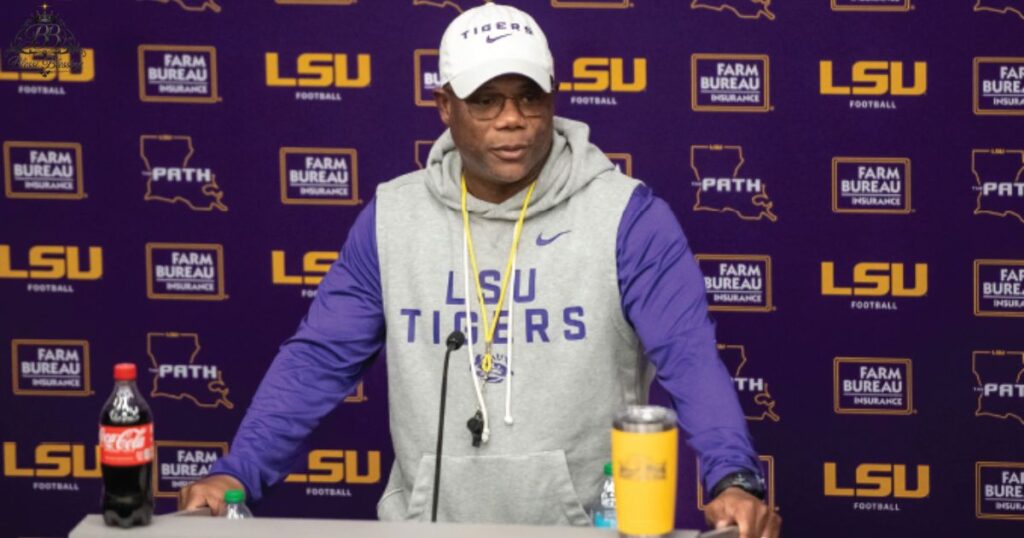
LSU football has been shaped by a long line of influential coaches who helped build the program’s identity, competitive culture, and championship tradition. From national championship-winning leaders to coaches who transformed recruiting and player development, these figures played major roles in making the LSU Tigers one of college football’s most recognized programs.
Paul Dietzel
Paul Dietzel coached LSU during its 1958 national championship season. His team was known for a strong defense and disciplined style of play.
Nick Saban
Nick Saban coached LSU from 2000 to 2004. During his time in Baton Rouge, LSU won the 2003 national championship.
Saban later became head coach at Alabama, where he won additional championships.
Les Miles
Les Miles coached LSU from 2005 to 2016. His tenure included:
- A 2007 national championship
- Multiple SEC championship appearances
- Strong recruiting classes
Ed Orgeron
Ed Orgeron led LSU during the historic 2019 championship season. His team featured one of the most productive offenses in college football history.
Brian Kelly
Brian Kelly became LSU’s head coach in 2021 after previously coaching at University of Notre Dame. His arrival represented LSU’s effort to continue competing at the highest level of college football.
LSU Football Rivalries
LSU football rivalries are a major part of the Tigers’ identity. Playing in the Southeastern Conference (SEC), LSU regularly faces some of college football’s strongest programs. These rivalries are shaped by geography, conference competition, recruiting battles, historic games, and championship implications.
LSU vs Alabama
The LSU–Alabama rivalry is one of the biggest games in college football. Both programs have frequently competed for SEC and national championships.
The matchup became especially significant during the coaching eras of Nick Saban and Les Miles, when both teams regularly competed among the nation’s top programs.
LSU vs Texas A&M
The LSU–Texas A&M rivalry has grown in importance since Texas A&M joined the SEC.
The teams compete for conference positioning and recruiting influence in the region.
LSU vs Florida
The LSU–Florida rivalry has featured many important SEC games, including matchups involving conference championships and national championship contenders.
LSU vs Arkansas
The LSU–Arkansas series, sometimes called the “Battle for the Boot,” is another SEC rivalry with regional significance.
LSU Football Recruiting Tradition
Recruiting is one of the biggest reasons LSU has remained competitive in college football.
Louisiana produces many talented football players, and LSU benefits from:
- Strong local high school programs
- Access to athletes from the Gulf Coast region
- A history of developing NFL talent
- SEC-level facilities and competition
LSU has consistently focused on recruiting players who fit its physical style of football, especially at positions such as:
- Defensive backs
- Defensive linemen
- Running backs
- Wide receivers
The program’s ability to attract and develop talent has played a major role in its championship success.
LSU Football Traditions
From the intense annual battle with Alabama to historic SEC matchups against Florida, Auburn, Arkansas, and Texas A&M, LSU rivalries represent some of the most competitive games in college football.
Tiger Mascot
LSU’s athletic teams are known as the Tigers. The tiger mascot is one of the most recognizable symbols of the university.
The Golden Band from Tigerland
LSU’s marching band, known as the Golden Band from Tigerland, performs at football games and contributes to the atmosphere inside Tiger Stadium.
Tailgating
LSU tailgating is a major part of the football experience. Fans often gather before games for food, music, and celebrations.
Popular Louisiana traditions include:
- Cajun and Creole-inspired food
- Family gatherings
- Alumni events
- Campus celebrations
LSU Football Facilities and Program Development
LSU football’s success is built on more than talented players and legendary coaches. The program has invested heavily in facilities, training resources, recruiting infrastructure, sports science, and player development systems to compete at the highest level of college football.
LSU has invested in areas such as:
- Football training facilities
- Player development resources
- Recruiting spaces
- Strength and conditioning programs
These investments support the program’s goal of competing in the SEC.
LSU Football and the NFL Connection
LSU football has developed one of the strongest connections between college football and the National Football League (NFL). The Tigers have produced many professional players, including Super Bowl champions, Pro Bowl selections, first-round draft picks, and some of the most recognizable athletes in the sport.
- Quarterback
- Wide receiver
- Defensive back
- Defensive line
- Running back
The program’s NFL reputation helps attract future recruits who want opportunities to compete at the highest level.
Frequently Asked Questions
1. What conference does LSU football play in?
LSU football competes in the Southeastern Conference (SEC), one of the major conferences in college football.
2. How many national championships has LSU football won?
LSU has won multiple recognized national championships, including titles in 1958, 2003, 2007, and 2019.
3. Where does LSU football play home games?
LSU plays home games at Tiger Stadium in Baton Rouge, Louisiana.
4. Who is LSU’s most famous football player?
Several players are considered among LSU’s most famous, including Joe Burrow, Ja’Marr Chase, Justin Jefferson, Patrick Peterson, and Tyrann Mathieu.
5. Why is LSU football called the Tigers?
LSU’s athletic teams use the Tigers nickname, which has been part of the university’s identity for more than a century.
Conclusion
LSU football is one of the most recognized programs in college football. The Tigers’ history includes national championships, legendary players, influential coaches, passionate fans, and a strong connection to Louisiana culture.
From historic teams of the past to modern championship runs, LSU continues to be a major force in college football. Its combination of tradition, recruiting strength, and competitive SEC football keeps the Tigers among the sport’s most followed programs.

