
Zion National Park is one of the most recognizable national parks in the United States, known for its towering sandstone cliffs, dramatic canyons, scenic trails, and unique desert landscape. Located in southern Utah, the park attracts visitors who want to experience hiking, photography, wildlife viewing, camping, and outdoor adventures.
Unlike many mountain parks, Zion creates a powerful sense of scale through its narrow canyon walls and massive rock formations. Visitors can walk beneath cliffs that rise thousands of feet above the canyon floor, explore river paths, and discover landscapes shaped by millions of years of geological change.
What Is Zion National Park?
Zion National Park is a protected natural area famous for its colorful sandstone formations, deep canyons, and diverse ecosystems. The park covers more than 146,000 acres and contains a variety of environments, including desert areas, forests, rivers, and high-elevation habitats.
The park’s landscape was shaped by the Virgin River, which slowly carved through layers of sandstone over geological time. This process created Zion Canyon, one of the most photographed areas in the region.
The name “Zion” comes from a Hebrew word often associated with a place of refuge or sanctuary. Early settlers used the name to describe the dramatic canyon landscape.
Today, Zion is part of the United States National Park System and is one of the country’s most visited national parks.
Where Is Zion National Park Located?
Zion National Park is located in southwestern Utah near the town of Springdale. It is within driving distance of several major travel destinations:
- Las Vegas, Nevada
- Salt Lake City, Utah
- Bryce Canyon National Park
- Grand Canyon National Park
The park has several areas, but the most popular visitor area is Zion Canyon. Most first-time visitors spend their time exploring this section because it contains many famous viewpoints and hiking trails.
Why Is Zion National Park Famous?
Zion is famous for several natural features that make it different from other desert destinations.
Massive Sandstone Cliffs
The park’s cliffs display shades of red, orange, pink, and cream created by different layers of sandstone. These formations are especially impressive during sunrise and sunset when changing light highlights the rock textures.
Zion Canyon
Zion Canyon is the central feature of the park. The canyon stretches for miles and provides access to some of the most popular trails and viewpoints.
Unique Hiking Experiences
Zion offers hiking experiences ranging from easy walks suitable for families to challenging routes requiring preparation and careful planning.
Diverse Landscapes
Although many people imagine Zion as a desert park, it contains multiple ecosystems. Visitors may encounter rivers, forests, hanging gardens, wildlife habitats, and high plateaus.
Best Things to Do in Zion National Park
Visitors can enjoy many activities depending on their interests, fitness level, and available time.
1. Explore Zion Canyon
Zion Canyon is the heart of the park experience. The scenic drive provides access to many important locations, including trailheads, viewpoints, and picnic areas.
During busy seasons, visitors often use the park shuttle system because private vehicles may have limited access in certain areas.
2. Hike the Narrows
The Narrows is one of Zion’s most famous hiking experiences. The trail follows the Virgin River through a narrow canyon surrounded by towering rock walls.
Unlike traditional trails, much of this hike involves walking through shallow water. Conditions can change depending on weather and river levels, so visitors should check current safety information before attempting the hike.
3. Visit Angels Landing
Angels Landing is one of Zion’s most recognized viewpoints. The trail includes steep sections and exposed areas, making it a challenging hike.
Because of the trail’s popularity and safety considerations, visitors should research current requirements and conditions before planning this hike.
4. Enjoy Scenic Viewpoints
Travelers who prefer shorter walks can still experience impressive scenery through viewpoints and accessible areas.
Popular scenic locations include:
- Canyon Overlook
- Court of the Patriarchs
- Zion Canyon viewpoints
- Riverside areas
5. Photograph Zion’s Landscapes
Zion is a favorite destination for photographers because of its dramatic lighting, cliffs, rivers, and changing colors throughout the day.
Early morning and late afternoon often provide softer light and strong shadows that emphasize the shapes of the canyon walls.
Popular Hiking Trails in Zion National Park
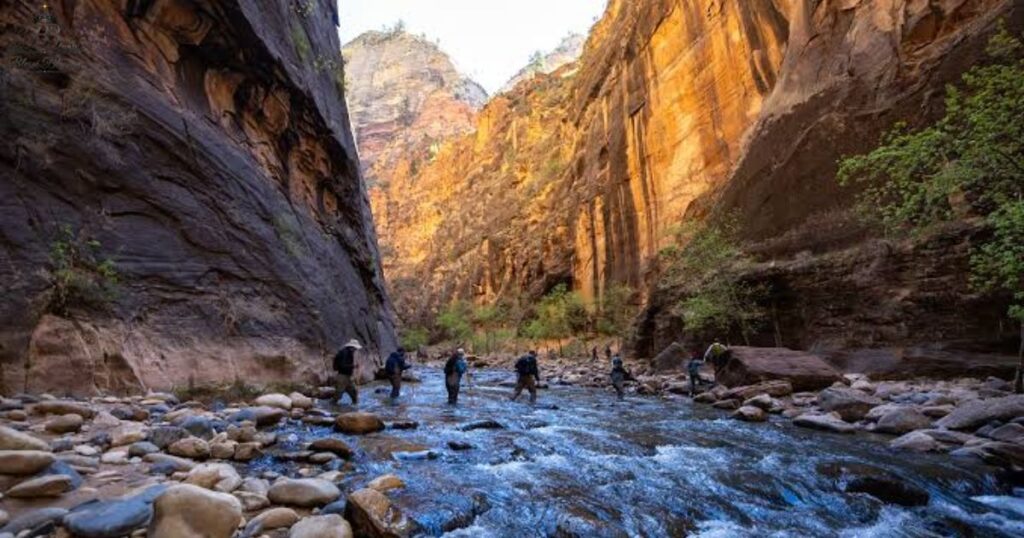
Zion National Park offers hiking routes for different experience levels. Some trails are short and family-friendly, while others require strong fitness, careful preparation, and awareness of changing conditions.
Before starting any hike, visitors should check official park updates for trail conditions, weather alerts, closures, and safety recommendations.
1. Angels Landing Trail
Angels Landing is one of Zion’s most famous hikes because of its dramatic views over Zion Canyon. The route includes steep climbs, narrow sections, and exposed areas near the final viewpoint.
The hike is considered challenging and requires preparation. Visitors should wear appropriate footwear, bring water, and understand the conditions before attempting it.
Key details:
- Difficulty: Strenuous
- Best for: Experienced hikers
- Highlight: Panoramic views of Zion Canyon
- Preparation: Check current requirements and conditions
2. The Narrows
The Narrows is a unique Zion experience where hikers travel through the Virgin River between towering canyon walls.
The route can vary depending on water levels and weather. Flash floods are a serious concern in narrow canyons, so visitors should always check conditions before entering.
Key details:
- Difficulty: Moderate to challenging
- Best for: Adventure travelers
- Highlight: Walking through a narrow river canyon
- Preparation: Water shoes, hiking poles, and weather awareness are helpful
3. Emerald Pools Trails
The Emerald Pools area is popular because it offers scenic views, waterfalls, and natural pools surrounded by canyon walls.
Different sections provide options for visitors with different fitness levels.
Key details:
- Difficulty: Easy to moderate
- Best for: Families and casual hikers
- Highlight: Pools, waterfalls, and viewpoints
4. Canyon Overlook Trail
Canyon Overlook is a shorter hike that provides impressive views of Zion Canyon. It is often chosen by visitors who have limited time but still want a memorable viewpoint.
Key details:
- Difficulty: Moderate
- Best for: Short hiking experiences
- Highlight: Canyon views from above
5. Riverside Walk
Riverside Walk follows the Virgin River and provides an easier way to experience Zion’s scenery.
The paved trail makes it accessible for many visitors, although conditions can vary.
Key details:
- Difficulty: Easy
- Best for: Families and relaxed exploration
- Highlight: River views and canyon walls
Best Time to Visit Zion National Park

Zion National Park can be visited throughout the year, but each season offers a different experience.During busy seasons, shuttle buses provide access to popular trailheads, viewpoints, and attractions along the canyon route. Using the shuttle makes it easier for visitors to enjoy the park without worrying about limited parking and allows for a more convenient sightseeing experience.
Spring (March to May)
Spring is a popular time to visit because temperatures are generally comfortable and plants begin to bloom.
Advantages:
- Pleasant hiking weather
- Flowing water in some areas
- Fewer extreme temperatures than summer
Things to consider:
- Some higher areas may still have changing conditions
- Popular trails can become busy during holidays
Summer (June to August)
Summer is the busiest season in Zion. Long daylight hours make it possible to enjoy more activities, but temperatures can become very hot, especially in lower elevations.
Tips:
- Start hikes early
- Carry enough water
- Reserve accommodations ahead of time
Fall (September to November)
Fall is often appreciated for cooler weather and changing colors. It can be an excellent period for hiking and photography.
Advantages:
- Comfortable temperatures
- Beautiful seasonal scenery
- Good conditions for outdoor activities
Winter (December to February)
Winter brings fewer crowds and a quieter atmosphere. Snow can create beautiful scenery, although some trails and roads may have restrictions.
Advantages:
- Peaceful experience
- Unique winter landscapes
- Better availability at some accommodations
Zion National Park Shuttle System
During busy periods, Zion Canyon uses a shuttle system to help manage visitor transportation and protect the park environment.
The shuttle allows visitors to reach major stops along Zion Canyon without driving through restricted areas.
Benefits include:
- Reduced traffic inside the canyon
- Easier access to trailheads
- Less environmental impact
Visitors should check current shuttle schedules and operating details before traveling because services can change by season.
Wildlife in Zion National Park
Zion supports many types of wildlife because it contains different habitats, from desert areas to forests and rivers.Visitors to Zion National Park can choose from camping inside the park, hotels, lodges, and vacation rentals in nearby areas .
Animals visitors may see include:
- Mule deer
- Desert bighorn sheep
- Lizards
- Birds of prey
- Wild turkeys
- Small mammals
Visitors should observe wildlife from a safe distance and avoid feeding animals.
Protecting wildlife helps maintain the natural balance of the park.
Camping and Accommodation Near Zion
Camping offers a closer connection to nature, while staying in nearby towns like Springdale provides easy access to restaurants, services, and park transportation. Since accommodations can fill quickly during busy seasons, it is recommended to plan and reserve your stay in advance, especially for peak travel periods.
Camping Inside the Park
Camping provides a closer connection to the landscape. Campsites are limited and may require advance planning, especially during busy seasons.
Staying in Springdale
Springdale is the closest town to Zion Canyon and offers:
- Hotels
- Restaurants
- Shuttle access
- Outdoor equipment services
Nearby Accommodation Options
Some travelers also stay in nearby communities and combine Zion with other Utah attractions.
Popular road-trip combinations include:
- Bryce Canyon National Park
- Grand Canyon North Rim
- Scenic drives through southern Utah
Zion National Park Travel Tips
Popular subjects include Zion Canyon, rock formations, hiking trails, and scenic viewpoints. Using different angles and perspectives can help capture the park’s impressive scale and unique beauty.
1. Plan Ahead
Zion is a highly visited destination, especially during spring, summer, and fall. Planning accommodations, transportation, and activities early can make the trip smoother.
2. Start Activities Early
Morning hours often provide cooler temperatures, better lighting for photography, and fewer crowds.
3. Bring Water and Sun Protection
Desert environments can be demanding. Visitors should carry enough water, wear sun protection, and prepare for temperature changes.
4. Respect Park Rules
Following park guidelines helps protect natural resources and ensures a better experience for future visitors.
Important practices include:
- Stay on designated trails
- Pack out waste
- Avoid disturbing wildlife
- Leave natural objects where they are
5. Prepare for Changing Weather
Weather in canyon environments can change quickly. Rainstorms may create risks, especially in narrow areas.
Always check conditions before hiking.
Zion National Park Photography Guide
Zion National Park is a dream destination for photographers, offering dramatic sandstone cliffs, deep canyons, rivers, wildlife, and stunning natural light. The best photography opportunities often come during sunrise and sunset when the changing colors create beautiful contrasts across the landscape.
Best Photography Locations
Popular photo opportunities include:
- Zion Canyon viewpoints
- River reflections
- Sandstone cliffs
- Sunrise and sunset locations
- Forest and desert landscapes
Photography Tips
- Shoot during early morning or late afternoon
- Include people or trees to show scale
- Use changing light to capture different moods
- Protect camera equipment from dust and moisture
How Many Days Do You Need in Zion National Park?
Most visitors need 2 to 3 days in Zion National Park to experience the park’s main highlights, including scenic viewpoints, popular trails, and Zion Canyon. A one-day trip can cover a few key attractions, while a longer stay allows time for famous hikes like The Narrows, exploring quieter areas, and enjoying the landscape at a relaxed pace .
One Day in Zion
A short visit can include:
- Zion Canyon exploration
- Riverside Walk
- Scenic viewpoints
- Short hikes
Two to Three Days in Zion
A longer trip allows time for:
- Multiple hikes
- Photography
- More relaxed exploration
- Additional viewpoints
Four or More Days
Extended visits allow travelers to explore deeper areas, enjoy slower-paced activities, and combine Zion with nearby destinations.
Zion National Park Packing List
A practical packing list includes:
| Item | Why It Helps |
| Hiking shoes | Better grip and comfort |
| Water bottle or hydration system | Helps during outdoor activities |
| Sun protection | Protects against strong sunlight |
| Layers of clothing | Handles temperature changes |
| Backpack | Carries essentials |
| Map or navigation tools | Helps with planning |
| Camera | Captures scenery |
Frequently Asked Questions
1. What is Zion National Park famous for?
Zion National Park is famous for its towering sandstone cliffs, Zion Canyon, hiking trails, scenic landscapes, and outdoor adventures.
2. How many days should I spend in Zion National Park?
Many visitors spend two or three days exploring Zion, but the ideal length depends on hiking plans, travel style, and available time.
3. Is Zion National Park suitable for families?
Yes. Zion offers many activities for families, including scenic walks, viewpoints, and easier trails. Families should choose activities based on age, ability, and conditions.
4. What is the hardest hike in Zion?
Some of Zion’s most challenging hikes include routes with steep climbs, exposure, or difficult terrain. Visitors should research each trail carefully before attempting it.
5. What month is best for visiting Zion National Park?
The best month depends on personal preferences. Spring and fall often provide comfortable conditions, while summer offers longer days but warmer temperatures.
Conclusion
Zion National Park is a destination where dramatic landscapes, outdoor adventure, and natural history come together. From the towering walls of Zion Canyon to famous trails like The Narrows and Angels Landing, the park offers experiences for hikers, photographers, families, and nature lovers.
A successful Zion trip requires planning, respect for park rules, and preparation for changing desert conditions. Whether visiting for one day or several days, travelers can discover unforgettable scenery and explore one of America’s most remarkable national parks.

